
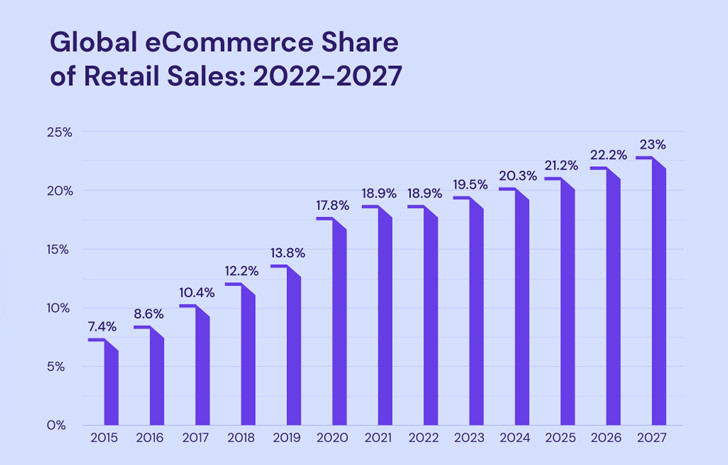
In the rapidly evolving world of e-commerce, staying ahead of the competition requires more than just offering quality products. As we progress through 2024, businesses need to adopt innovative strategies to boost their online sales and capture the attention of their target audience. Savnab, a leading platform in the deals and promotions space, provides valuable insights on how to effectively increase e-commerce sales. This comprehensive guide explores the top 10 strategies for maximizing your online sales performance and achieving sustainable growth in the competitive e-commerce landscape.
Website performance is a critical factor in e-commerce success. Slow-loading pages can lead to high bounce rates and lost sales. Here’s how to optimize your website’s speed and performance:
Image Optimization: Compress and resize images without compromising quality. Tools like TinyPNG and ImageOptim can help reduce file sizes, leading to faster load times.
Leverage Browser Caching: Enable browser caching to store frequently accessed resources locally on users’ devices. This reduces the need for repeated downloads and speeds up page load times.
Minimize HTTP Requests: Combine CSS and JavaScript files to reduce the number of HTTP requests. Fewer requests mean faster loading times and a smoother user experience.
Personalization enhances the shopping experience and drives conversions. By tailoring your marketing efforts to individual users, you can increase engagement and sales:
Product Recommendations: Use data analytics to suggest products based on users’ browsing history, previous purchases, and preferences. Personalized recommendations can lead to higher average order values and repeat purchases.
Behavioral Targeting: Implement behavioral targeting strategies to deliver personalized content and offers based on users’ on-site behavior. This can include personalized email campaigns, dynamic content, and targeted ads.
Segmentation: Segment your audience based on demographics, purchase history, and behavior. Tailor your marketing messages and promotions to each segment to improve relevance and effectiveness.
With a growing number of consumers shopping on mobile devices, optimizing your mobile shopping experience is crucial:
Responsive Design: Ensure that your website is mobile-friendly and provides a seamless experience across different devices. Use responsive design techniques to adapt your site’s layout to various screen sizes.
Mobile Payment Options: Offer popular mobile payment methods, such as digital wallets and one-click payments, to streamline the checkout process and increase conversions.
Simplified Navigation: Design mobile-friendly navigation menus that are easy to use on smaller screens. Prioritize essential features and make it easy for users to find what they’re looking for.
Social media platforms are powerful tools for driving traffic and increasing sales. Here’s how to leverage social media effectively:
Social Commerce: Utilize features like Instagram Shopping and Facebook Shops to allow users to make purchases directly from social media platforms. This creates a seamless shopping experience and drives conversions.
Engaging Content: Create and share engaging content that resonates with your audience. Use a mix of product posts, behind-the-scenes content, and user-generated content to build brand loyalty and drive traffic.
Social Advertising: Invest in targeted social media advertising to reach potential customers. Use advanced targeting options to ensure your ads are seen by users who are most likely to convert.
Data analytics provides valuable insights into customer behavior and sales performance. Use data-driven insights to make informed decisions and optimize your e-commerce strategies:
Customer Analytics: Analyze customer data to understand purchasing patterns, preferences, and behaviors. Use this information to tailor your marketing efforts and improve the customer experience.
Sales Performance Metrics: Track key sales metrics, such as conversion rates, average order value, and cart abandonment rates. Use these metrics to identify areas for improvement and measure the effectiveness of your strategies.
A/B Testing: Conduct A/B testing on various elements of your website, such as product pages, CTAs, and checkout processes. Test different variations to determine what works best and make data-driven adjustments.
Search engine optimization (SEO) is essential for driving organic traffic to your e-commerce site. Optimize your product listings to improve search visibility and attract more visitors:
Keyword Research: Conduct keyword research to identify relevant search terms for your products. Incorporate these keywords into product titles, descriptions, and meta tags to improve search rankings.
High-Quality Images and Descriptions: Use high-quality images and detailed product descriptions to enhance the user experience and increase the likelihood of conversions. Include relevant keywords and highlight key features and benefits.
Customer Reviews and Ratings: Encourage customers to leave reviews and ratings for your products. Positive reviews can improve your search rankings and build trust with potential buyers.
Providing exceptional customer service is crucial for building trust and loyalty. Enhance your customer service with the following strategies:
Live Chat Support: Implement live chat support to provide real-time assistance to customers. Live chat can help resolve issues quickly and improve the overall shopping experience.
Clear Return Policies: Clearly communicate your return and exchange policies to customers. Ensure that the process is straightforward and hassle-free to build confidence in your brand.
Post-Purchase Follow-Up: Follow up with customers after their purchase to ensure satisfaction and address any concerns. Use post-purchase surveys and emails to gather feedback and improve your service.
Email marketing remains a powerful tool for driving sales and engaging with customers. Create effective email marketing campaigns with these tips:
Personalized Emails: Use customer data to personalize your email campaigns. Segment your audience and tailor your messages based on their interests, behavior, and purchase history.
Abandoned Cart Emails: Send automated abandoned cart emails to remind customers of items left in their cart. Include personalized product recommendations and incentives to encourage them to complete their purchase.
Promotional Offers: Share exclusive promotions, discounts, and new product launches through email. Use compelling subject lines and clear calls to action to drive engagement and conversions.
Influencer marketing can help you reach a wider audience and boost sales. Collaborate with influencers to promote your products and build brand awareness:
Identify Relevant Influencers: Partner with influencers who align with your brand values and target audience. Look for influencers with a genuine connection to their followers and a track record of successful collaborations.
Create Engaging Campaigns: Work with influencers to create engaging content that showcases your products. This can include product reviews, unboxings, and sponsored posts.
Measure ROI: Track the performance of your influencer marketing campaigns to measure their impact on sales and brand awareness. Use metrics such as engagement rates, referral traffic, and conversion rates to assess effectiveness.
Omnichannel marketing ensures a seamless and consistent shopping experience across multiple channels. Integrate your marketing efforts to create a unified customer journey:
Consistent Branding: Maintain consistent branding and messaging across all channels, including your website, social media, email, and physical stores. This helps build brand recognition and trust.
Cross-Channel Promotions: Promote your e-commerce site through various channels, such as social media ads, email newsletters, and influencer partnerships. Use cross-channel promotions to drive traffic and increase sales.
Unified Customer Data: Integrate customer data from different channels to gain a comprehensive view of their behavior and preferences. Use this data to personalize your marketing efforts and improve the customer experience.
Increasing e-commerce sales in 2024 requires a strategic approach and a willingness to adapt to changing trends and technologies. By implementing these top 10 strategies, you can enhance your website’s performance, personalize your marketing efforts, and provide an exceptional shopping experience for your customers. Savnab’s insights into the latest e-commerce trends and best practices can help you stay ahead of the competition and achieve sustainable growth in the dynamic online retail landscape. Start incorporating these strategies into your e-commerce strategy today and watch your sales soar.